From Gertrude Stein's Salon to Today's Stockrooms: The Return of the Art Dealer
- Andrew McIlroy
- Jan 7
- 5 min read

How Conviction, Risk, and Private Belief Are Reshaping the Art Market

Working with her art dealer brother Leo, Gertrude Stein assembled one of the most consequential private art collections of the modern era and transformed their Paris apartment into a site of encounter - part home, part laboratory of ideas - where new art was not merely displayed but tested, debated, and argued into significance. The apartment became a crucible where taste, belief, and social energy intertwined.
At 27 rue de Fleurus, later shared with her life-long partner Alice B. Toklas, the walls were lined with Cézanne oils and watercolors, early paintings by Matisse and Picasso, and works by Renoir, Manet, Gauguin, and Toulouse-Lautrec - purchased long before museums or critics recognised their value. Paintings climbed from floor to ceiling; even the dining room doors were covered with Picasso’s drawings. What began as a private collection soon outgrew the domestic sphere, evolving into a working archive of modernism.
By the first decades of the century, the apartment had become a semi-public destination. Artists, writers, critics, and collectors arrived curious, skeptical, or persuaded - but all confronted the same condition: the work required attention before agreement. Long before modern art found institutional or commercial legitimacy, the Steins had created a salon ruled by belief, not neutrality. Debate flowed as freely as champagne, and judgment was as valued as admiration.

Gertrude Stein (1874-1946) with her brothers Leo (left) and Michael. Photographed in the courtyard of 27 rue de Fleurus in Paris, c1906
The Stein salon was not an anomaly but a precursor to a recurring rhythm in the art market - oscillating between public display and private conviction, between gallery floor and back room, between spectacle and trust. Today’s renewed interest in dealers who buy directly from artists, along with stock rooms and private viewing spaces, is less a rupture than a revival of this older model: a reminder that conviction often precedes recognition, and that patience can outlast fashion.
In the late eighteenth and nineteenth centuries, the modern art market grew not in white cubes but in apartments, print shops, and dealer warehouses. Figures like Jean-Baptiste-Pierre Le Brun and later Goupil & Cie were hybrids - part tastemaker, part financier - buying outright and cultivating demand. Dealers absorbed risk, invested in careers, and acted as arbiters of taste, shaping which artists would endure.
By the mid-to-late nineteenth century, this model became essential to modern art’s survival. Paul Durand-Ruel’s bulk purchases of Monet, Pissarro, and Renoir nearly bankrupted him - but they also sustained Impressionism long enough to reach the public. Ambroise Vollard applied the same speculative patience to Cézanne, Picasso, and Matisse, storing inventory in cramped, archive-like rooms. These spaces were opinionated, risky, and deeply personal. The dealer’s eye mattered as much as the artist’s hand, and the courage to act often counted more than immediate profit.

Ambroise Vollard (1865-1939)
Leo Stein, often remembered as a collector and intellectual catalyst, embodied the fluidity of these roles. Alongside Gertrude, he purchased directly from artists, championed Matisse, and circulated works through salons and personal networks. In this ecosystem, dealer, collector, and advisor blended into one role: proximity, engagement, and contextual framing mattered more than labels. Belief itself became currency, shaping taste and history long before institutions codified it.
New York followed a parallel path. Firms such as Knoedler & Co., founded in 1846, prioritised inventory over spectacle, operating through stock rooms that valued expertise, discretion, and patience. Dealers guided collectors carefully, often placing works strategically over years. In the twentieth century, Paul Rosenberg and Daniel-Henry Kahnweiler formalised exclusive contracts while continuing to buy outright and warehouse work. The stakes were high, but so was the reward - autonomy for both artists and those willing to invest in conviction over convenience.
The postwar consolidation of galleries disrupted this balance. Consignment became standard, overhead increased, and visibility shifted from strategy to requirement. Galleries became service providers as much as advocates, burdened by art fair costs, global competition, and the pressure to constantly produce programming. Against this backdrop, today’s renewed interest in stock rooms, private viewing spaces, and dealer-led inventory represents recalibration. It is not nostalgia but pragmatism: slowing the tempo of sales, privileging conversation over spectacle, and allowing attention and patience to shape markets once again.
This shift also exposes a mismatch between exclusivity and economic reality. Historically, exclusivity made sense when dealers purchased outright, underwrote studios, and assumed long-term risk. In a consignment system, it can limit artists’ access to income, collaborators, and alternative advocates. Shared representation, project-based partnerships, or clearly defined non-exclusive arrangements redistribute risk while keeping galleries meaningfully involved. Flexibility ensures that both artists and galleries can sustain practices without compromising integrity or opportunity.

Australian Galleries Melbourne Stockroom
Gallery closures have accelerated a familiar historical role: the dealer-principal re-emerging as independent consultant. This figure has long existed alongside dealing, often embodied by the same individuals at different stages of a career. Consultants leverage connoisseurship, relationships, and market knowledge without the fixed costs of permanent spaces. For artists, they provide liquidity, advocacy, and strategic placement, while operating with the same discretion, patience, and conviction that once defined rue de Fleurus.
Coexistence is not only possible but historically proven. Galleries, dealers, consultants, and viewing rooms serve distinct yet overlapping functions. Buying inventory requires capital, storage is costly, and patience is rarely rewarded. Yet the benefits - shared risk, deeper engagement, and long-term thinking - are substantial. These models re-center trust and conviction in a market increasingly driven by speed, visibility, and ephemeral attention.
In 2025, James Makin closed his Collingwood gallery to concentrate on a new art advisory business, adapting to the changing dynamics of the art market
The art world is not collapsing but decentering. As work circulates once again through living rooms, offices, warehouses, and discreet viewing spaces, it recovers the intimacy, risk, and belief that defined its formative moments. These are spaces where judgment is personal, attention is deliberate, and value is determined as much by conviction as by consensus.
To “be historical,” as Stein insisted, was never merely to be seen. It was to commit - early, privately, and without assurance - to what had not yet been recognised. It was to invest time, attention, and sometimes capital in possibilities that others had overlooked, trusting that such acts might ripple outward, shaping taste, discourse, and memory. In that sense, the future of the art market may look less like reinvention than acknowledgment: a willingness to let conviction, persistence, and engagement determine which works, artists, and ideas truly matter, even before the broader world catches up.

The site of Jacob Hoerner Galleries’ new ‘Viewing Room’ in Prahran, set to open in February 2026
Main Photo: Gertrude Stein and Alice B. Toklas Photo: BBC
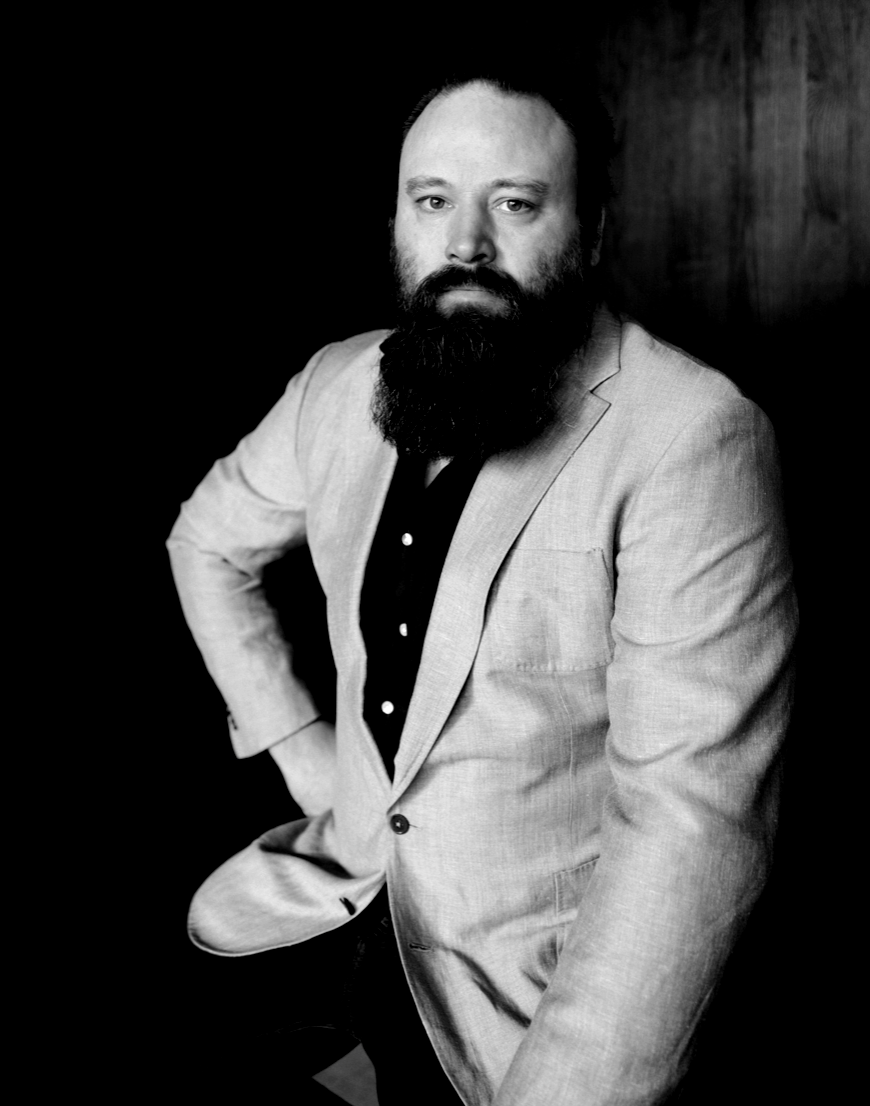
Andrew McIlroy is an Australian artist and writer


Comments